

Fronteras
Fridays at 12 noon and Sundays at 9 p.m.
"Fronteras" is a Texas Public Radio program exploring the changing culture and demographics of the American Southwest. From Texas to New Mexico and California, "Fronteras" provides insight into life along the U.S.- Mexico border. Our stories examine unique regional issues affecting lifestyle, politics, economics and the environment.


Support for Fronteras comes from Texas Mutual Workers' Compensation Insurance.
Latest Episodes
-
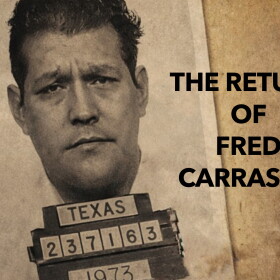 A San Antonio native revisits the life of Fred Gómez Carrasco and the 1974 prison standoff that captured national attention. His podcast looks beyond the headlines to explore Carrasco, the people involved and the lasting impact of those events.
 -
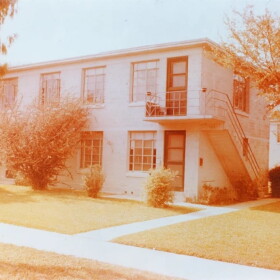 Community activism has saved the city's oldest public housing units. It was recently named a 2026 Endangered Latinx Landmark by Latinos in Heritage Conservation.
 -
 Prisca Dorcas Mojica Rodríguez has spent her career writing to break down barriers and reach out to those who may not have access to academia. Her books center on the cultural challenges many Brown girls face.
 -
 The Pew Research Center finds that while Latino identity is a major factor in people's lives, identity is not singuarly defined culturally or politically.
 -
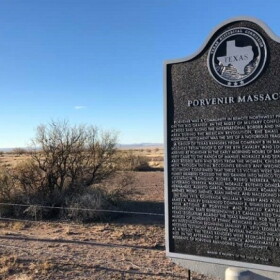 In 1918, 15 unarmed Mexican men and boys were killed in the remote West Texas community of Porvenir. The commemorative site is now in danger of being bulldozed and cut off by federal border wall construction.
 -
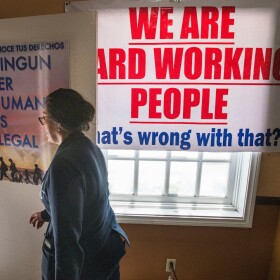 The California-based organization has granted $350,000 to ten organizations in the Southwest to support them with legal defense, community protection, and rapid response.
 -
 Writer Tim Z. Hernandez has spent nearly two decades working to identify the Mexican nationals who were killed in the 1948 incident.
 -
 The South Texas native discusses his works and how they're influenced by the duality that exists living on the U.S.-Mexico border.
 -
 Photographer Marni Shindelman's series, "Restore the Night Sky" documents the effects of light pollution at 45 private ICE detention centers across the U.S.
 -
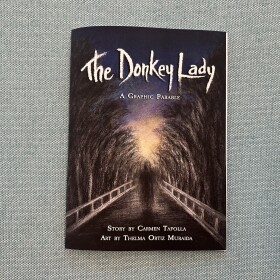 The new book, “The Donkey Lady: A Graphic Parable,” retells a haunting San Antonio legend by inviting children and adults alike to consider new moral dilemmas.


