

The Source
Monday-Thursday from noon-1 p.m. on KSTX
The Source is a daily, one-hour call-in talk program that gives listeners in San Antonio the opportunity to call and connect with our in-studio guests and city-wide audience.
The Source seeks to give life, context and breadth to the events and issues affecting San Antonio by bringing newsmakers and experts to the public, and highlighting the people being affected by the news of the day.
The show is hosted by veteran journalist David Martin Davies.
Tune in to The Source for insightful discussion and analysis on topics that matter to residents of the Alamo City.
Contribute to the conversation:
- Call or text during the live show at 833-877-8255.
- Leave a voicemail at 210 615-8982 anytime. Submissions may be played on-air.
- Email comments to thesource@tpr.org.


Support for The Source comes from UT Health San Antonio.
Latest Episodes
-
 Billionaires like Elon Musk, Peter Thiel and Mark Zuckerberg are using their tremendous wealth, influence and A.I to undermine democracy. They are able to control essential public communication, information and government operations. As mass surveillance goes mainstream with algorithms designed to quash descent, a warning about what the future holds is emerging. Jill Lepore, Harvard historian and staff writer with The New Yorker, joins us to discuss "The Rise and Fall of the Artificial State."
 -
 Yale's Health Care Affordability Lab is launching a new project aimed at bringing down healthcare costs. They have identified $450 billion in savings that could happen without a complete overhaul of the health care system.
 -
 As the city of San Antonio is developing a bond package of city improvements, Mayor Gina Ortiz Jones has been challenged by City Council on being able to pick the three chairpersons to lead the 2027 bond process. Council members passed an ordinance to give themselves that authority. Mayor Jones joins us to give us an update on bonds and discuss whether this move could delay moving forward.
 -
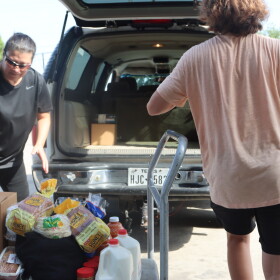 The San Antonio Food Bank is pursuing a new revenue source to rescue more surplus food as high grocery prices and reduced access to federal food assistance put additional pressure on South Texas families.
 -
 Texans are casting ballots as early voting in underway in what could be a historic election. A battery of polls have shown Democrats including Senate nominee James Talarico with a lead. But how reliable are those polls? And what does the trend in early voting tells us about what to expect on Nov. 3?
 -
 There are seven women on Texas' death row. And they are being ministered to by an order of Catholic nuns. The two groups found a bond and connection. The story is told by Lawrence Wright in his book, "Redemption: Faith, Justice, and Sisterhood on Death Row." The book challenges perceptions of crime and punishment.
 -
 Diesel fuel prices have surged across the United States, threatening to increase consumer prices and intensify inflation as the country struggles with global energy disruptions. What are the factors that have created a national diesel emergency?
 -
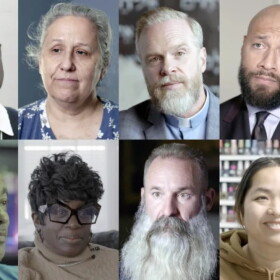 Heading into what could be a historic midterm election, a new PBS FRONTLINE documentary returns to ordinary Americans to explore how their lives, political views and hopes for the country's future have changed over the last six years.
 -
 San Antonio City Council unanimously confirmed the selection of 27-year SAPD veteran Jesse Salame as the department's next police chief. The selection lays the foundation for the next era of the San Antonio Police Department, which for more than 20 years had been led by William McManus before his retirement this summer.
 -
 In “American Pope: Leo XIV’s Road from the South Side of Chicago to Vatican City,” NPR journalists, Daniel Burke and Scott Detrow present the first comprehensive, impressively sourced biography of the new pontiff. The two journalists spent the year after Leo’s election reporting in Peru, Chicago, and Rome. As a result, readers are introduced to a man at varying stages of his life and now leader of the Catholic Church.


