Segregated schools for Mexican students in Texas existed across the American Southwest from the late 19th century through the mid-1960s.
The landmark case Brown v. Board ordered school districts across the country to desegregate, but the classification of Mexican Americans as “white” in the U.S. census slowed the rollout of integration.
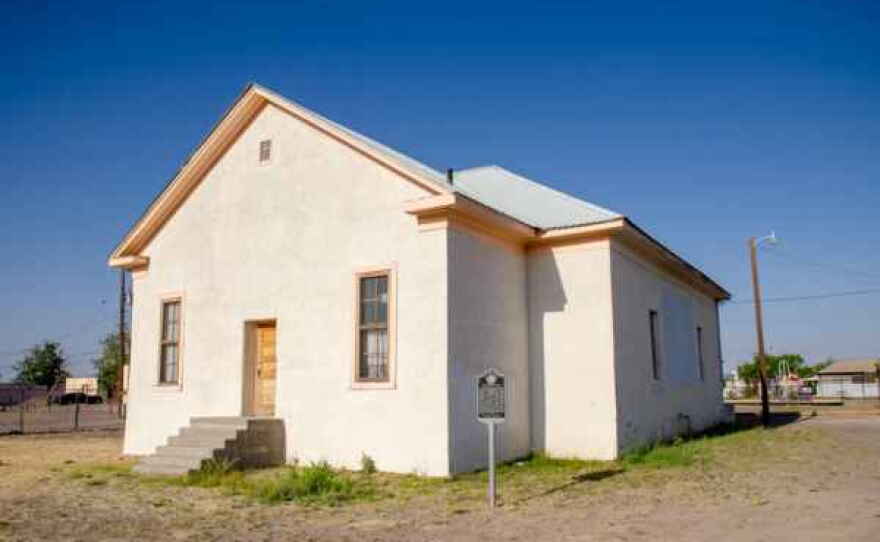
One of the most famous segregated schools, the Blackwell School, opened in Marfa in 1909 as a small adobe school house. It was named a National Historic Site in 2022.
Frank G. Pérez, professor of communication and research at the University of Texas at El Paso, has worked to preserve the history and stories of Blackwell.
He said language was the primary reason Mexican students were segregated into their own school.
“The idea was that they were not accultrurated, they were not assimilated, they did not know the language,” Pérez said. “Putting them in a Mexican school would be a way for them to master the language and then enter the mainstream.”


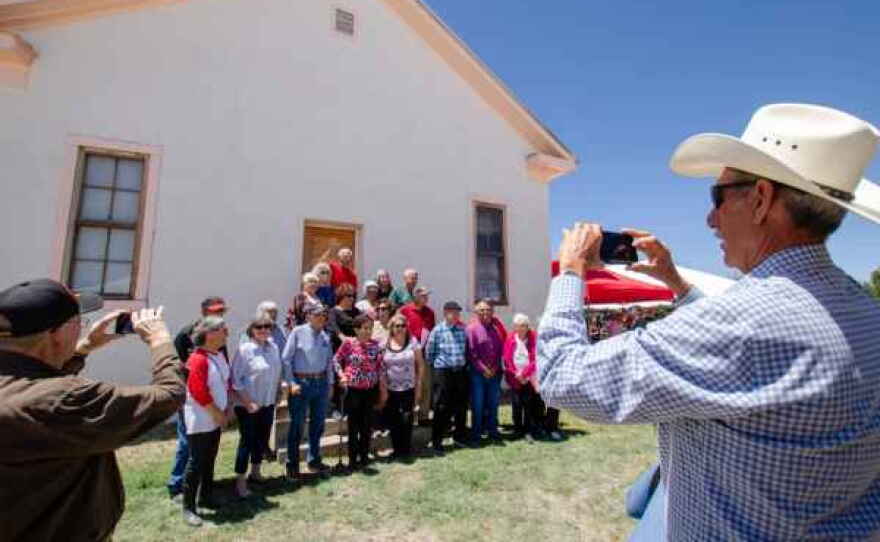
83-year-old Tony Cano, an alum of Blackwell, reflected on what being at the school meant for him.
“We learned about prejudice because of Blackwell,” Cano said. “At the time, we didn’t know anything about it. We survived. We lived there. It’s only when we started having to work with the other school that we realized who we were.”
A symposium will be held Nov. 10 on UTEP’s campus to highlight this undertold history of the Blackwell School. The Blackwell School National Historic Site in Marfa is open Saturdays and Sundays year-round