Since 1994, more than 10,000 immigrants have died on their journeys to reach the United States. Immigration advocates argue harsh border deterrence policies — like the closing off of legal pathways and rerouting migrants through dangerous terrain — have contributed to these deaths.
Many of the immigrants who die during their trek to the border go unidentified, especially as rural counties where their bodies are found lack the resources to correctly process the remains and collect DNA.
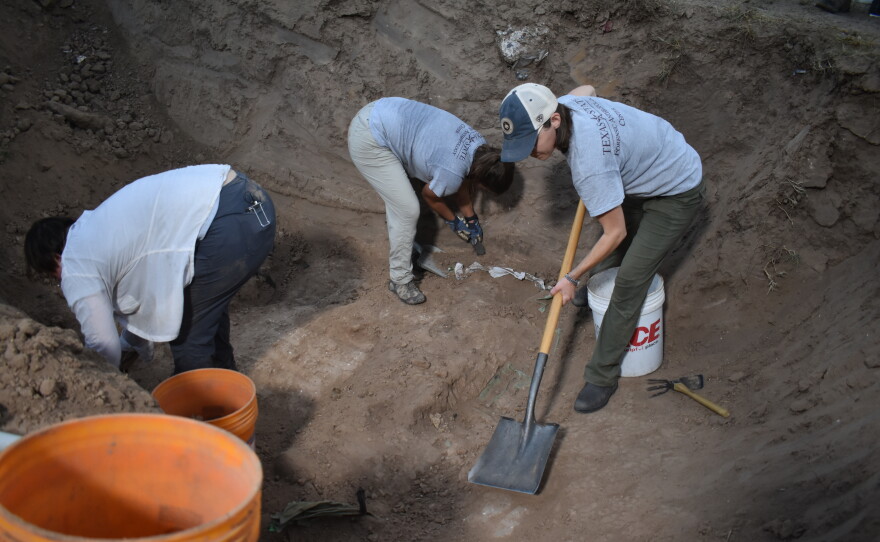
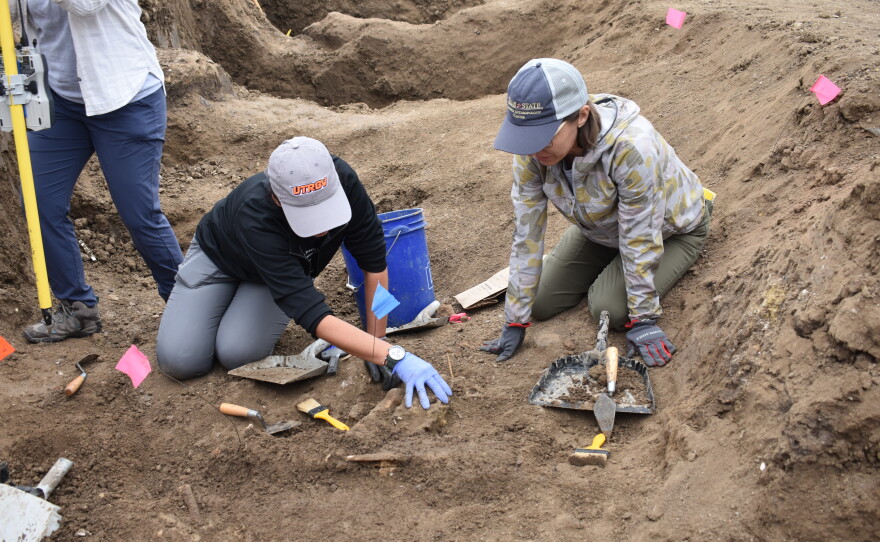
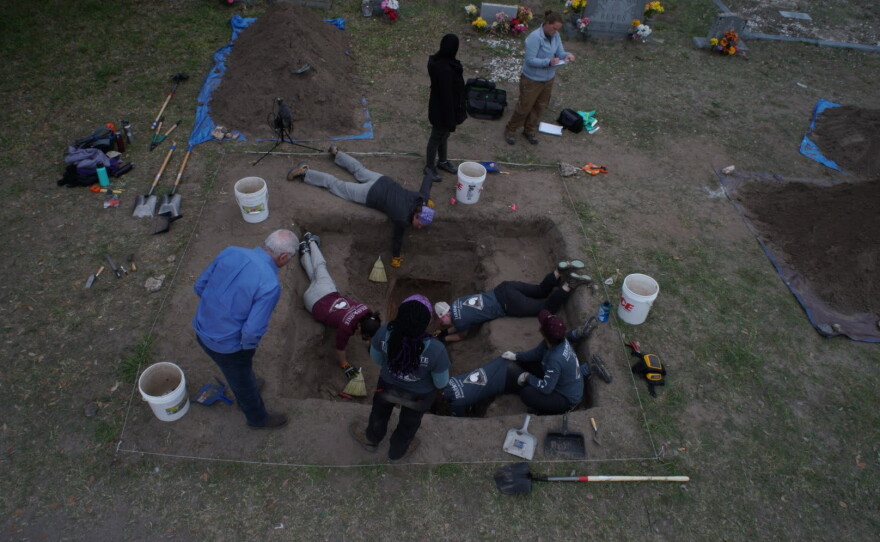
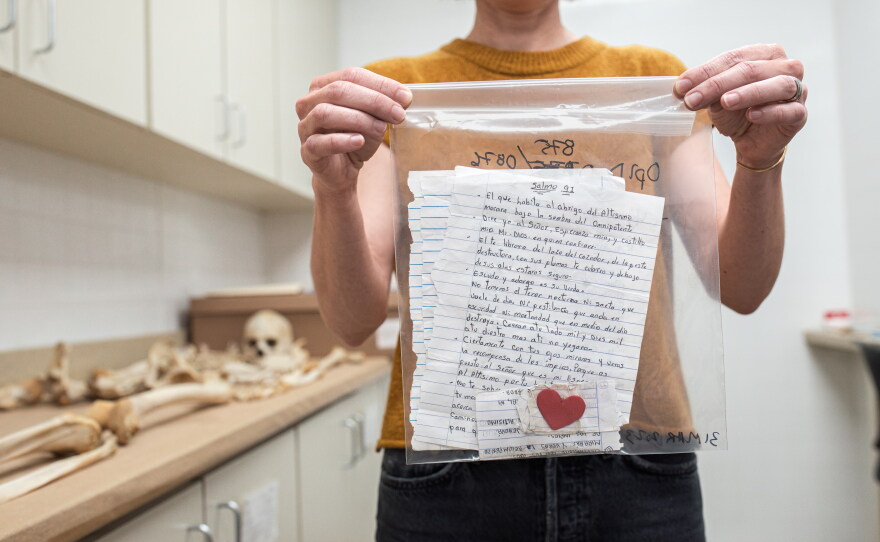
Operation Identification has worked since 2013 to facilitate the identification and repatriation of unidentified human remains found along the Southwest border.
The project’s founder, Kate Spradley, was recently named a 2026 MacArthur Fellow.
Spradley, a professor of anthropology at Texas State University, said the identification process can be placed on the backburner, especially during times of mass migration.
“When we say someone is identified, that doesn't just mean that we have a genetic match associated,” Spradley said. “The identification really isn't complete until you’ve notified the families. I think sometimes in our U.S. medical and legal system that is not always recognized."

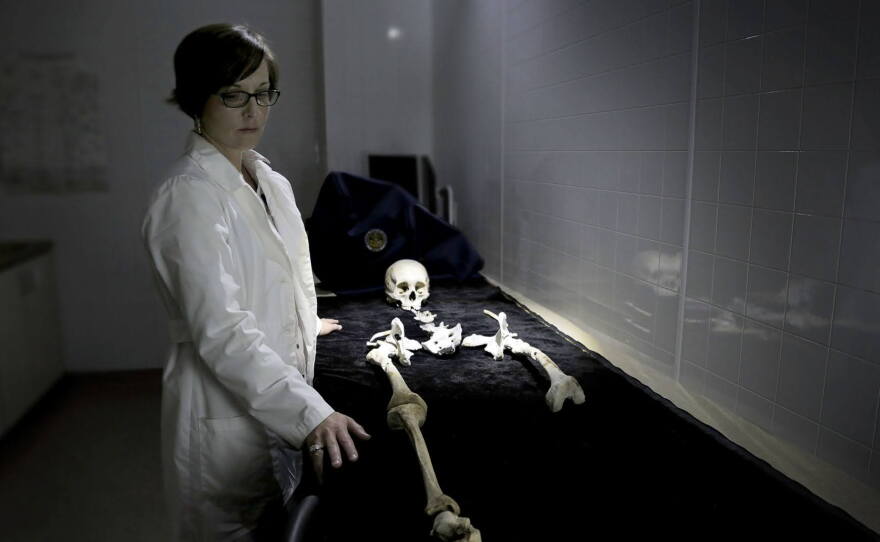
Operation Identification has identified and repatriated the remains of more than 300 people.
Spradley said the process brings closure to families who spend years not knowing what happened to their loved ones.
“They don’t want this answer but at the same time, it provides an answer to all their questions and now they have (their) remains,” Spradley said, “They’re going to have a place to bring flowers and at the end of the day that’s what the families really want.”
View a video of Spradley discussing her work below: