

Courtesy / MVW Communications
This pair logs 25k steps daily to deliver thousands of Raul Jimenez Thanksgiving dinners for seniors
It was late and they were exhausted. Hours after the last Thanksgiving dinner had been delivered, Debbie Moreno and Tracey Wright-Grabatin were finishing cleanup duties when the phone rang. A group of senior citizens had not received their meal. Could they make one more delivery? Although all Raul Jimenez Thanksgiving Dinner (RJTD) volunteer drivers had gone home, the women hopped into Moreno’s pickup truck and made the delivery themselves.
-
 Federal cuts and high food prices, particularly with poultry and other proteins, strain local pantries as demand from families in need surges.
-
 Bexar County Commissioner Tommy Calvert and the Deputy Sheriffs Association of Bexar County teamed up for the giveaway, which distributed 400 turkeys.
-
 Up to 14,000 people have been homeless in recent years in San Antonio.
-
 The cuts and changes to SNAP have been difficult for government workers who take pride in helping others. In San Diego, workers said they couldn't sit back while their neighbors went hungry.
-
 Roughly a quarter million San Antonio residents — 17% of the population — live in poverty. That’s according to the latest U.S. Census data. That rate has been stuck for the last decade. The poverty average for Texas is much lower at just under 14%, and nationally it’s 12.5%. Why hasn’t San Antonio been able to lift more people out of poverty? What would it take to make the city less poor?
-
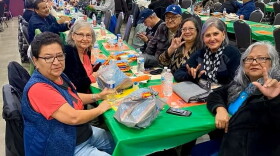 Event organizers say registration is now open for volunteers looking to make Thanksgiving special for those in need.
-
 The San Antonio Food Bank is pursuing a new revenue source to rescue more surplus food as high grocery prices and reduced access to federal food assistance put additional pressure on South Texas families.
-
 Organized criminal rings target SNAP recipients because of the government program's outdated security features. But upgrading the tech costs money and states' SNAP budgets are getting squeezed.
-
 As a growing number of people are caught in the affordability crisis, they are turning to selling their blood plasma to make ends meet. That plasma is used to make many lifesaving medications but are the donors being fairly compensated? We take a look at how the international blood plasma economy works and why Texas is the leading source for plasma.
-
 States will start to pay a larger share of the bill to run the food assistance program, as federal funding for operational costs shrinks.


