-
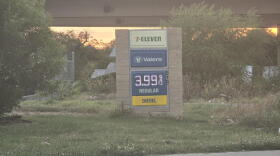 AAA says the summer-to-fall weather transition lowers gas prices a couple of ways.
 -
 Initially President Trump said the war with Iran would last four to five weeks. Now over five months later there is no end in sight. The war is acting like a tax on the U.S. economy: energy costs are rising, inflation has accelerated, and the federal government is spending tens of billions of dollars on military operations.
 -
 The American Automobile Association is reporting on Fourth of July gas prices.
 -
 Tom Seng, assistant professor of energy finance at TCU's Neeley School of Business, discusses how the ceasefire talks could affect North Texas consumers.
 -
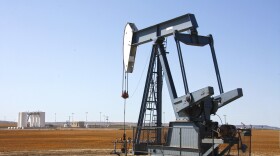 If the Strait of Hormuz reopens after the Iranian blockade is lifted, energy economist Ed Hirs predicts it will take many months before oil and gas prices return to pre-war levels.
 -
 Here’s what you should know about the market forces at play and what higher prices mean for oil companies and the state.
 -
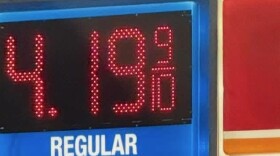 The all-time high price for a gallon of gas was set in the summer of 2022.
 -
 U.S. gas prices were nearly $3 an average prior to the start of the war in Iran.
 -
 Americans are paying more at the pump after the conflict with Iran sent oil markets sharply higher and disrupted shipping through the Strait of Hormuz.
 -
 The price hikes come as Texans grapple with high costs at the fuel pump and in grocery stores.

© 2026 Texas Public Radio
Real. Reliable. Texas Public Radio.
Play Live Radio
Next Up:
0:00
0:00
Available On Air Stations


